
Pain & Conditions
Hip Pain
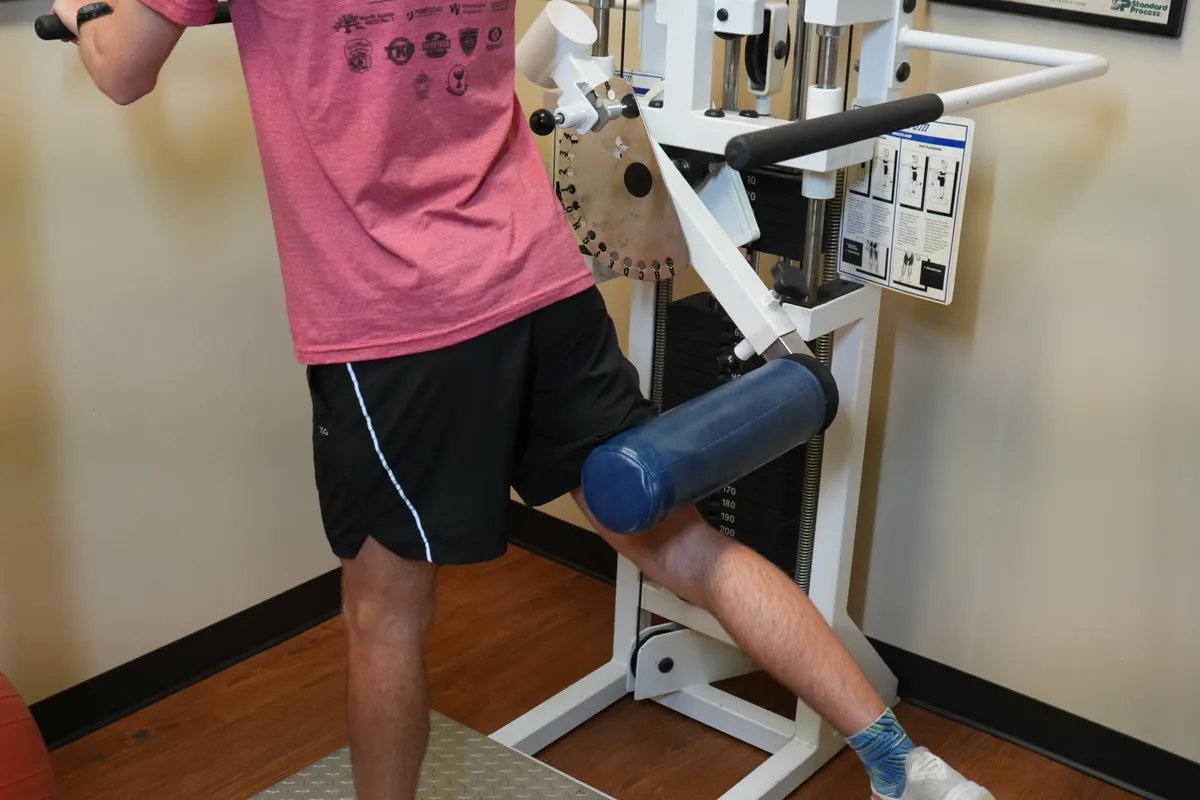
The hip joint bears much of the body's weight and is critical for mobility. Hip pain can come from the joint itself, from the joints at the back of the pelvis, from muscles pulling unevenly, or from the lower back sending pain down into the hip. It is common in athletes, during pregnancy, and after a collision. We look at how the hip and pelvis are moving together and at the muscles working around them.
Hip pain is one of those complaints where the word covers a lot of ground. When someone points at their hip they might mean the groin, the bony point on the outside, the buttock, or a band of soreness across the back of the pelvis, and those point at different things. The joint itself can be the source. So can the tendons on the outside of the hip, the muscles that cross the pelvis, or the joints where the pelvis meets the base of the spine. A fair share of what people call hip pain actually comes from the lower back, which is why an exam that only looks at the hip can miss the answer. Hips also tend to be patient before they get loud. People describe months of stiffness getting out of the car well before anything really hurts.
We see a lot of it in our Wells Branch office, and it arrives from very different directions. Runners and weekend athletes who did too much too fast. Desk workers whose hips have spent years folded in a chair. People in their sixties and seventies whose hips mostly complain about getting out of a low seat. Pregnant patients dealing with a pelvis that's loosening and shifting week by week. Someone whose walk changed after an ankle or knee problem, whose hip has been quietly absorbing the difference ever since. The pain often gets described the same way by all of them, which is why what you tell us matters as much as the hands-on part. What you were doing when it started, what makes it better, and what you've stopped doing usually narrows things faster than the ache itself does.
A first visit starts with that story and then gets specific. Dr. Shelly Hogan and Dr. Nicole Edwards look at how you walk, how the pelvis sits, how far the hip moves in each direction and where that movement stops, whether the joints at the back of the pelvis move evenly, and whether pressing on particular muscles and tendons reproduces what you've been feeling. They'll check the lower back too, because that referral pattern is common enough that skipping it would be careless. If what turns up is something better handled by another kind of doctor, we'll say so and help you get there rather than starting a course of care and hoping.
Where care fits, it usually combines adjustments to the pelvis and lower back, work on the joints at the back of the pelvis, hands-on treatment for the muscles around the hip, and strengthening for the muscles that hold the pelvis steady, because movement without strength tends not to hold. Custom orthotics are sometimes part of it when the way you load your foot is feeding the problem upward. Both doctors are trained in the Webster technique, a gentle pelvic approach used with pregnant patients, which is one reason we see so much pregnancy-related hip and pelvic discomfort here. The office is at 3407 Wells Branch Pkwy, Suite 625, in Wells Branch, North Austin, with parking right at the door, and the Chicoine family has been caring for people in this part of town since 1989. Book online or call (512) 255-1777.
Common Causes
- Pain in the joints at the back of the pelvis
- Pelvic misalignment
- Bursitis (trochanteric)
- Muscle imbalances and tight hip flexors
- Lumbar spine issues causing referred pain
- Osteoarthritis
- Sports overuse and repetitive strain
Symptoms You May Experience
- Pain in the groin, outer hip, or buttock
- Stiffness when getting up from sitting
- Pain that worsens with walking, climbing stairs, or exercise
- Clicking or catching sensation in the hip joint
- Lower back pain that accompanies hip discomfort
- Pain that radiates down the leg
Treatment Methods
- Pelvic and spinal adjustments
- SI joint mobilization
- Hip flexor and piriformis stretching protocols
- Strengthening exercises for hip stabilizers
- Custom orthotics for gait correction
Common Questions
Why would a chiropractor look at hip pain?
Because the hip doesn't work alone. The pelvis, the joints at the base of the spine, and the lower back all share the load with it, and a problem in one shows up as pain in another. A chiropractic exam looks at how that whole region moves and where it doesn't, then works on the mechanical parts of the picture and sends you elsewhere for the parts that need a different kind of doctor.
Is my hip pain actually coming from my lower back?
Sometimes, and it's common enough that we always check. Problems in the lower back can be felt in the buttock and outer hip, while true hip joint problems more often show up in the groin and with the hip not turning as far as it should. Testing hip movement, the pelvis, and the lower back together is what separates them, which is why the exam covers all three.
I am pregnant and my hips and pelvis hurt. Can you help?
Yes, this is one of the more common reasons people come in. Both Dr. Hogan and Dr. Edwards are trained in the Webster technique, a gentle chiropractic approach for the pelvis used during pregnancy, and care is aimed at your comfort and how you're moving as your body changes. Positioning is adapted for pregnancy at every stage. Tell us how far along you are when you book.
Do you adjust the hip joint itself, and does it hurt?
We work with the whole region, and what that includes comes out of the exam. It commonly involves the pelvis, the joints at the base of the spine, and the lower back, along with hands-on work for the muscles crossing the hip. Most people describe it as firm pressure rather than pain. Everything is explained before it happens, and the technique is adapted to what you're comfortable with.
What happens at a first visit?
We start with your history, then watch how you walk and move, check how far the hip goes in each direction, look at the pelvis and lower back, and press on the muscles and tendons around the hip to find what reproduces your pain. You get a plain explanation of what was found and what care would involve before you commit to anything. Plan on about 45 minutes.
What should I wear?
Clothes you can move in. Leggings, athletic shorts, or soft pants work well, since we'll be watching you walk and moving the hip through its range. Avoid a stiff belt or a skirt. Bring a photo ID and your insurance card to the first visit, and if you already have notes or images from another provider, bring those too.
Are custom orthotics really necessary?
Not for everyone. They're worth considering when how you load your foot and how you walk appear to be feeding the hip problem upward, and that's something the walking part of the exam looks at. If your exam doesn't point that way, we won't suggest them. When they do make sense, they're one part of a plan rather than the whole plan.
How many visits do people usually come for?
It depends on what we find and how long it's been going on, and we'd rather tell you after the exam than guess. Some hips settle in a handful of focused visits. Longer-standing patterns take more, and often more of the work happens at home than in the office. We check in as we go and change the plan if it isn't earning its keep.
Where is your office?
3407 Wells Branch Pkwy, Suite 625, in Wells Branch, North Austin, right off Wells Branch Parkway with parking at the door. We see people from across North Austin, Wells Branch, and Pflugerville. There's one location, this one. No referral is needed in Texas. Book online or call (512) 255-1777, and Rosamaria on our team speaks fluent Spanish.
Ready to get started?
Book Appointment (opens in new window)Related Services
Back Pain
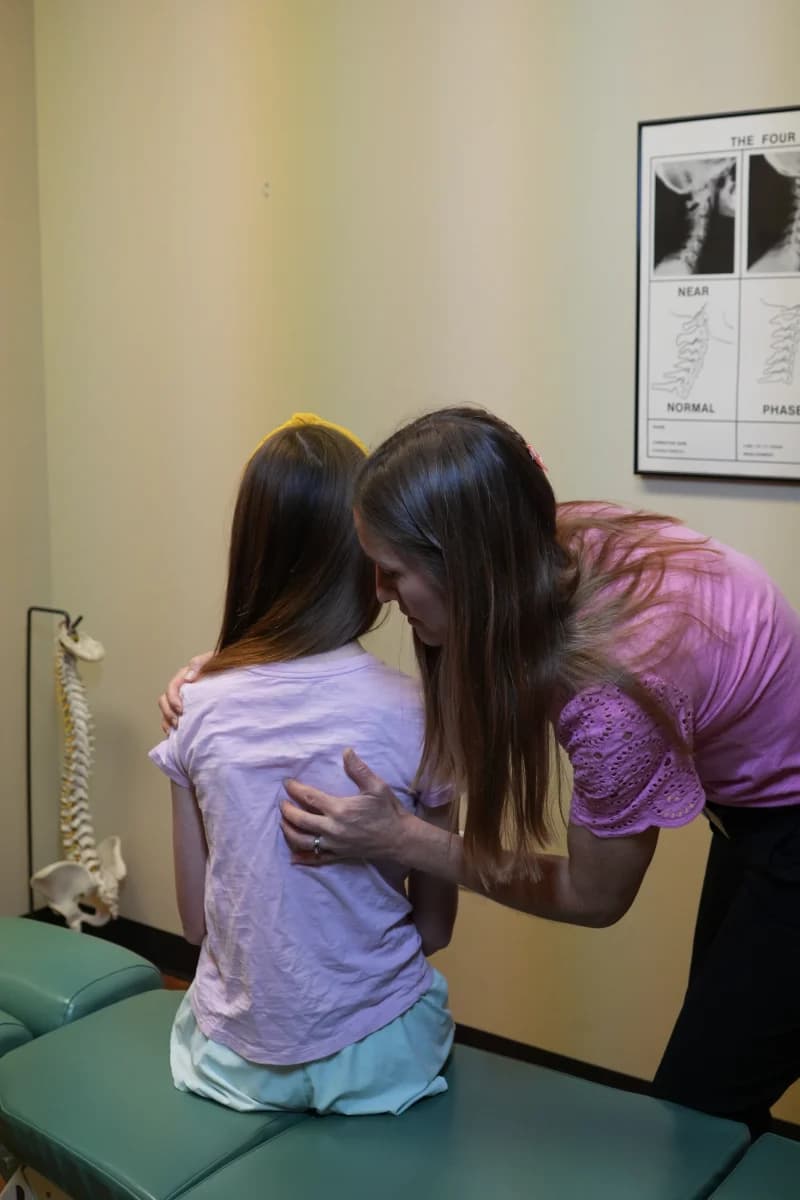
Spinal adjustments, electrical stimulation, and therapeutic exercise for lasting back pain relief.
Sciatica
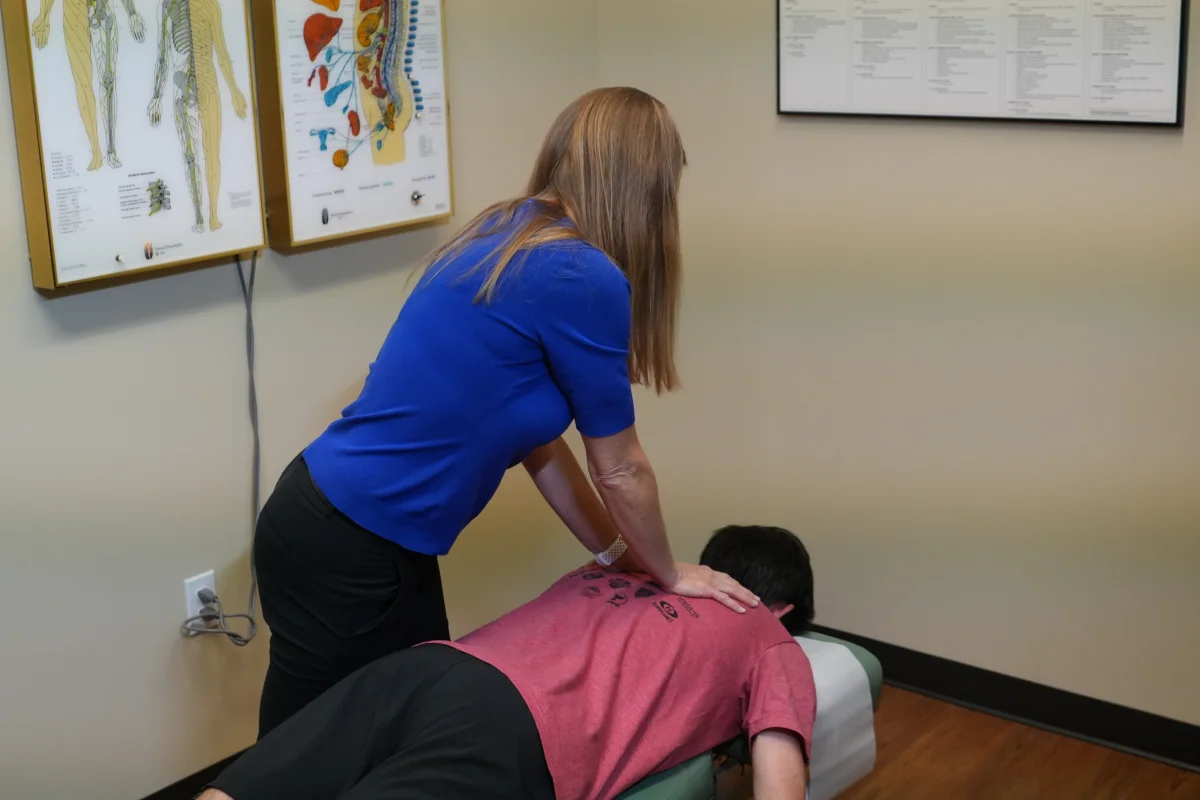
Spinal alignment, soft tissue therapy, and custom orthotics to relieve sciatic nerve pain.
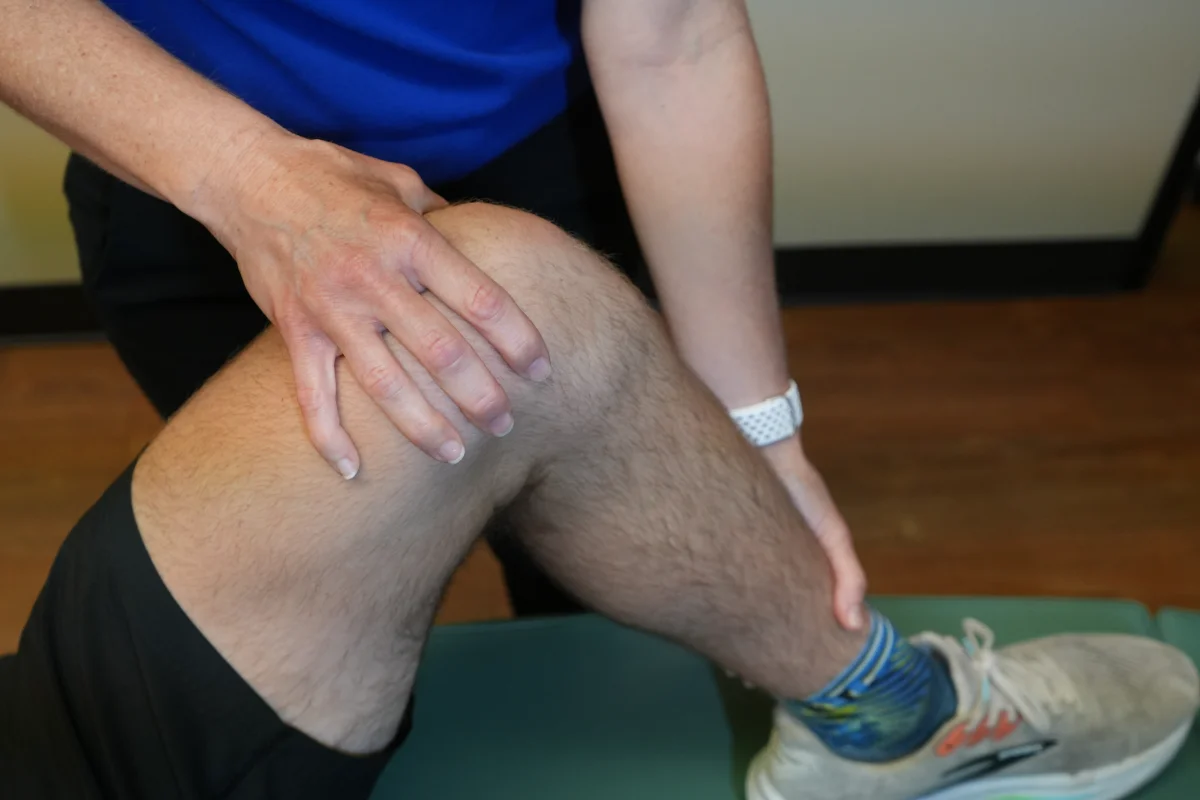
Sports Injury
Natural and effective treatments to help athletes recover faster and get back in the game.
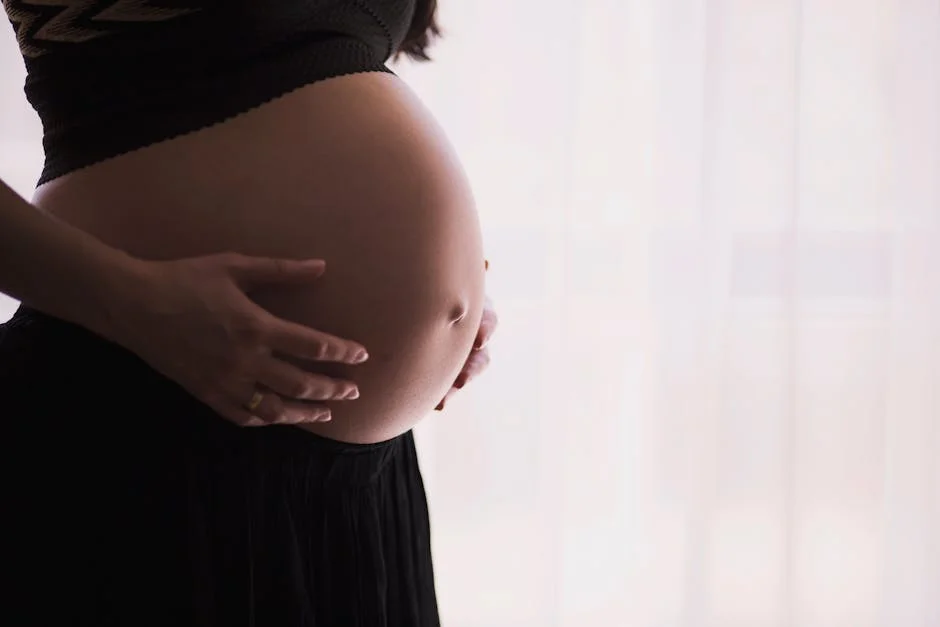
Pregnancy Chiropractic
Safe, gentle prenatal care using the Webster technique, focused on comfort and pelvic alignment through pregnancy.
Ready to Start Feeling Better?
Schedule a consultation online or call us and we'll create a treatment plan tailored to your needs.