
Pain & Conditions
Sciatica
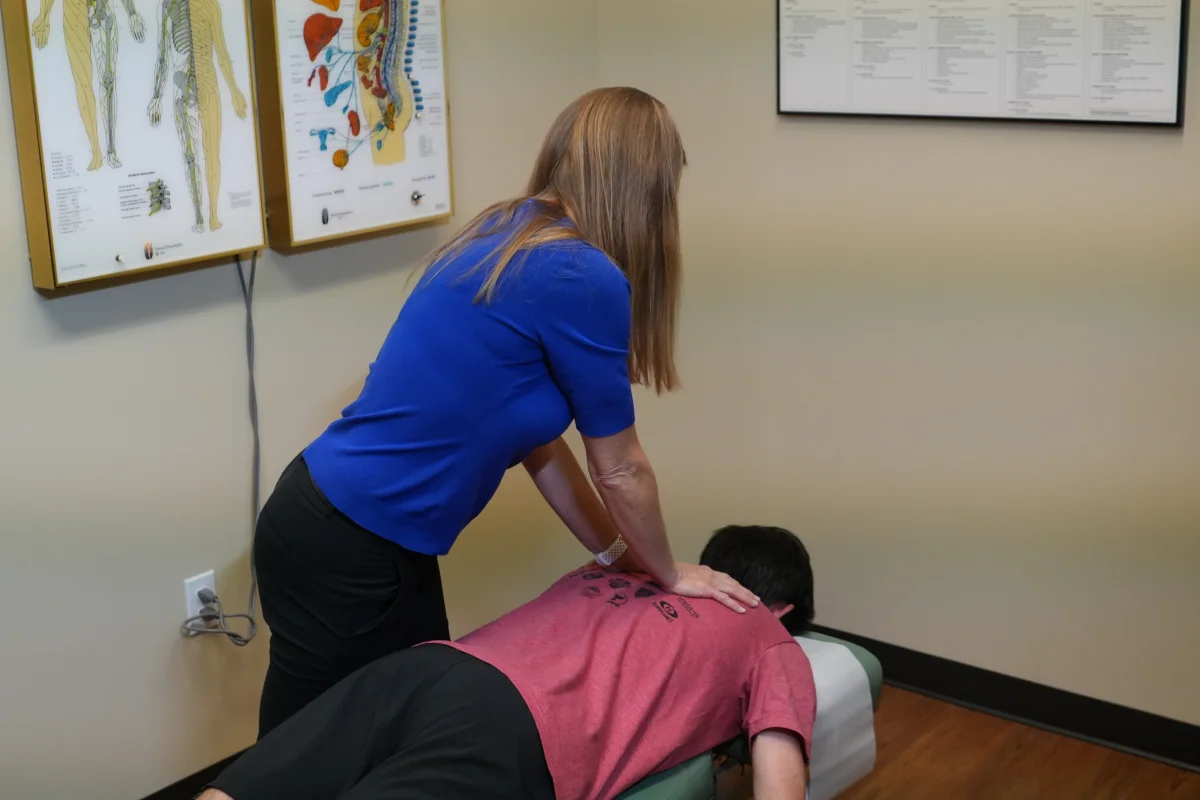
Sciatica occurs when the sciatic nerve — the longest nerve in the body — is compressed or irritated, causing pain, numbness, or tingling that radiates from the lower back through the hips and legs. It can result from a herniated disc, spinal misalignment, or muscle tightness in the piriformis. Auto accidents and sports injuries are common triggers. Chiropractic care relieves this pressure naturally without drugs or surgery.
Sciatica is a description more than a diagnosis. It means pain that follows the path of the sciatic nerve, which runs from the lower back through the buttock and down the back of the leg, and it usually shows up because that nerve is being crowded or irritated somewhere along the way. What's behind it varies. It might be a disc in the lower back leaning on a nerve. It might be narrowing of the space where the nerve leaves the spine. It might be the piriformis, a muscle deep in the buttock that sits right over the nerve in most people, doing more than its share. Those are different problems that sound alike when you describe them, and they don't settle with the same care, which is why the first thing worth doing is working out which one you have.
People also use the word for pain that isn't nerve pain at all. A fair amount of what comes into our Wells Branch office as sciatica turns out to be a hip or pelvis problem instead. The rough distinction is where the pain goes and what it feels like. Nerve pain tends to travel below the knee, sometimes all the way to the foot, and carries a burning or electric quality rather than a plain ache. It's usually on one side. It often gets worse the longer you sit. Hip-driven pain tends to stay in the groin, the outer hip, or the buttock, feels more like stiffness or a catch, and is worst getting up out of a chair. The two can happen together, one feeding the other, which is exactly why guessing from a symptom list online is unreliable.
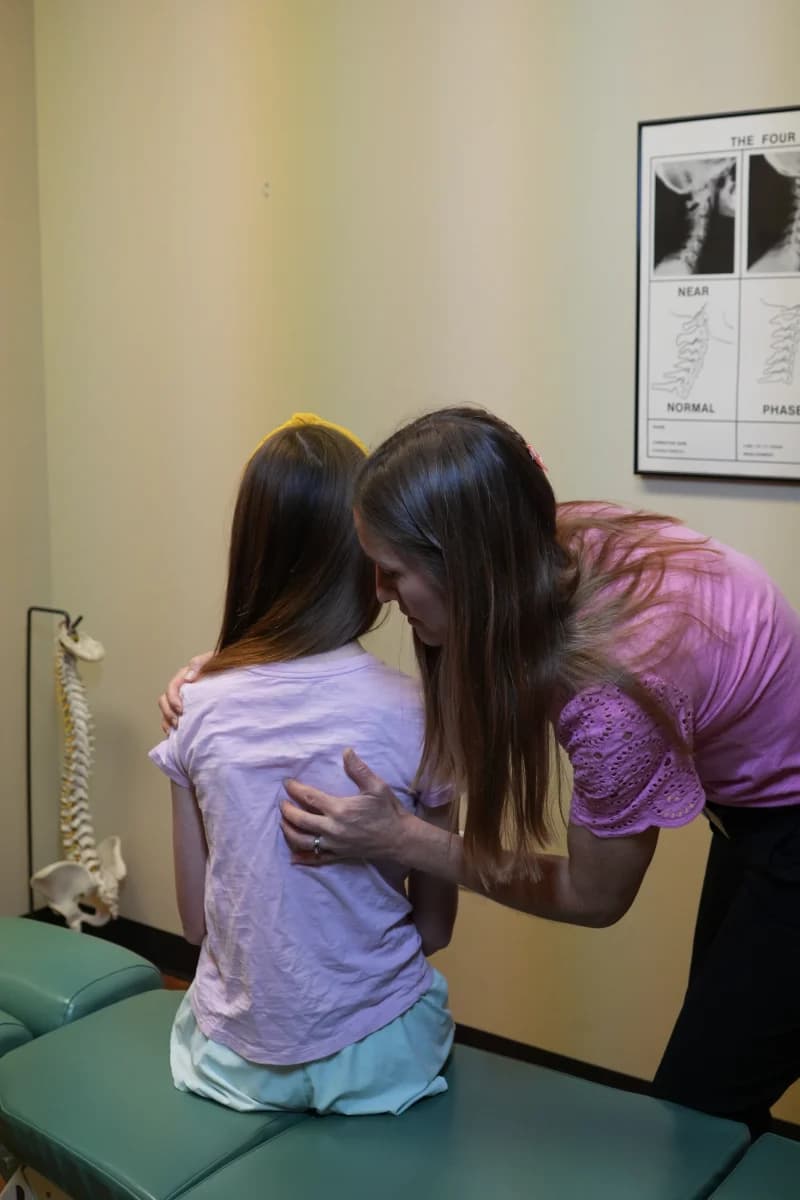
A first visit starts with the story, because it usually narrows things before anyone touches anything: when it started, what you were doing, how far the pain travels, what makes it worse, and whether it's changing week to week. Then Dr. Shelly Hogan or Dr. Nicole Edwards looks at how your lower back and hips move, checks how the leg is working, and uses simple tests that load the nerve in specific ways to see what reproduces your pain. You'll get a plain explanation of what turned up before anything is decided, including if what we find is better handled by another kind of doctor. Nobody here is going to start a course of care first and figure it out later.
Where chiropractic care is a good fit, it usually combines adjustments aimed at the joints contributing to the irritation, hands-on work for the muscles around the hip and pelvis, and exercise specific to what we found rather than a generic stretch list. You'll also get guidance for the days in between, and it's usually less about resting and more about moving in the ranges that don't aggravate things, since long stretches of bed rest tend to leave a lower back stiffer rather than better. Timelines vary a great deal from person to person, so we re-check as we go instead of promising a number at the start. The office is at 3407 Wells Branch Pkwy, Suite 625, in Wells Branch, North Austin, with parking right at the door, and we see people from across North Austin, Wells Branch, and Pflugerville. Book online or call (512) 255-1777.
Symptoms You May Experience
- Shooting pain from lower back through hip and down the leg
- Burning or tingling sensation in the leg or foot
- Numbness or weakness in the affected leg
- Pain that worsens when sitting
- Difficulty standing up or walking
- Sharp pain when coughing or sneezing
Treatment Methods
- Spinal adjustments to relieve nerve pressure
- Custom orthotics for alignment support
- Targeted exercises and stretches
- Electrical stimulation (e-stim)
- Therapeutic ultrasound
Common Questions
What actually causes sciatica?
Something is crowding or irritating the sciatic nerve or the nerve roots that form it. The usual suspects are a disc in the lower back leaning on a nerve, narrowing of the openings the nerves pass through, age-related changes in the joints, or a tight piriformis muscle in the buttock sitting on the nerve. They feel similar from the outside, which is why the exam matters more than the label.
Is it sciatica or is it my hip?
A useful rule of thumb is where the pain stops and what it feels like. Pain that travels past the knee and burns leans toward the nerve. Pain that stays in the groin, outer hip, or buttock, feels like stiffness or a catch, and is worst standing up from a chair leans toward the hip. They also happen together, so the exam is what settles it.
How long does sciatica take to settle down?
It varies enough that any specific number quoted before an exam is a guess. Some people improve within a few weeks, others take considerably longer, and what's behind it matters a great deal. What we can commit to is re-checking as we go and telling you honestly if you aren't responding, rather than continuing an unchanged plan and hoping.
Should I rest or keep moving?
In general, extended bed rest isn't the answer for most lower-back and leg pain, and staying gently active within the ranges that don't aggravate things tends to be more useful. That said, what's right for you depends on what we find, so ask us for guidance specific to your case rather than following a generic rule from the internet.
What happens at a first visit?
We take a detailed history, then look at how the lower back and hips move, check how the leg is working, and run simple tests that load the nerve to see what reproduces your symptoms. You get a plain explanation of what was found and what care would involve before anything is decided. Plan on 45 minutes to an hour, and wear clothes you can move in.
Can I still work or drive with sciatica?
Most people can, though sitting is often the worst position for this kind of pain, so long drives and unbroken desk stretches tend to aggravate it. Practical changes help: get up regularly, change positions, and pay attention to your seat and back support. We'll give you specific suggestions once we know what's driving your symptoms.
What should I wear, and how long will I be there?
Wear something you can move in, like leggings or athletic shorts, since we'll have you bend, walk, and lie down. The first appointment runs about 45 minutes to an hour because that's where the conversation and the exam happen. Follow-up visits are much shorter, usually 15 to 20 minutes. Bring a photo ID and your insurance card the first time.
How many visits do people usually come for?
It depends on what we find and how long it's been going on, and we'd rather tell you after the exam than guess. Care is usually more frequent while things are flared up and eases off as they settle. We check in as we go, and if you aren't changing the way we'd expect, that's a reason to change the plan rather than book more of the same.
Where are you, and do I need a referral?
We're at 3407 Wells Branch Pkwy, Suite 625, in Wells Branch, North Austin, with parking right at the door, and we see people from across North Austin, Wells Branch, and Pflugerville. No referral is needed. Texas has direct access to chiropractic care. Book online or call (512) 255-1777, and Rosamaria on our team speaks fluent Spanish.
Ready to get started?
Book Appointment (opens in new window)Related Services
Back Pain
Spinal adjustments, electrical stimulation, and therapeutic exercise for lasting back pain relief.
Auto Injury
Chiropractic evaluation and care after a car accident, including whiplash, neck pain, and back pain. North Austin office in Wells Branch.

Degenerative Disc Disease
Preventive care and treatment for disc degeneration, herniation, and spinal stenosis.
Hip Pain
Care for hip and pelvic pain, including the joints at the back of the pelvis.
Ready to Start Feeling Better?
Schedule a consultation online or call us and we'll create a treatment plan tailored to your needs.