
Injury Treatment
Sports Injury
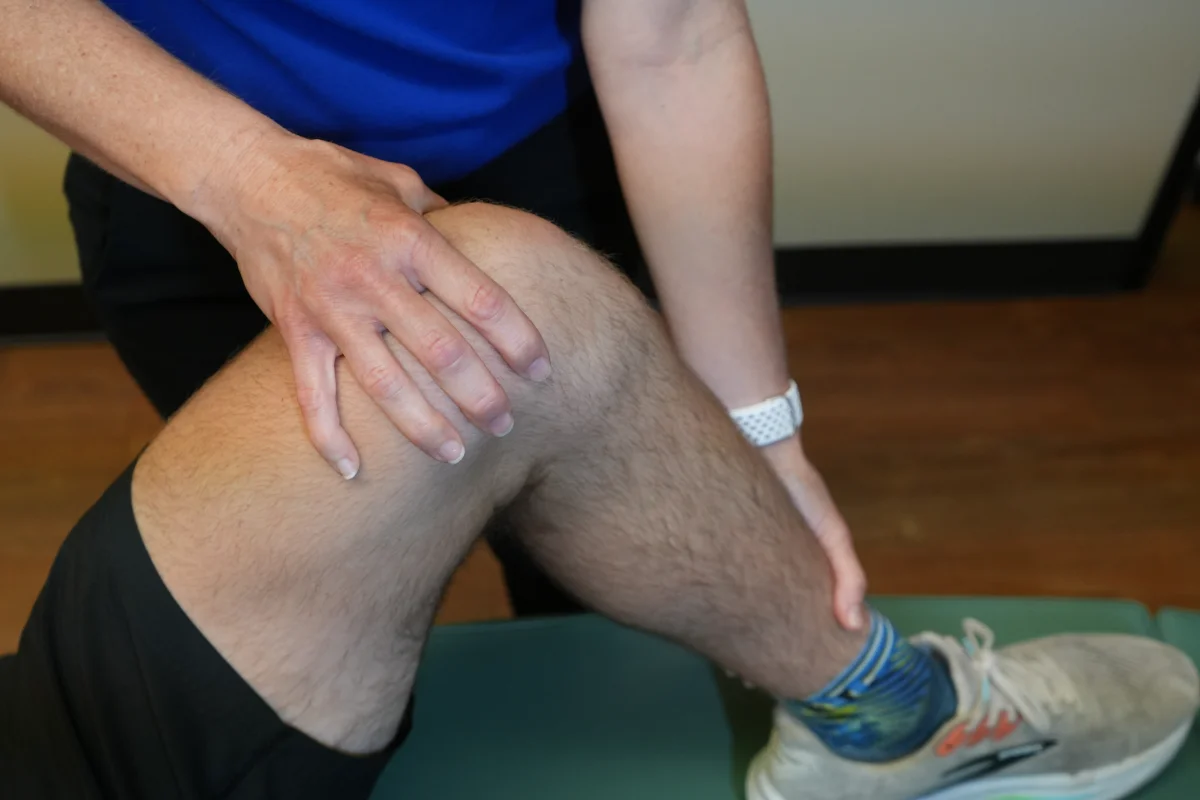
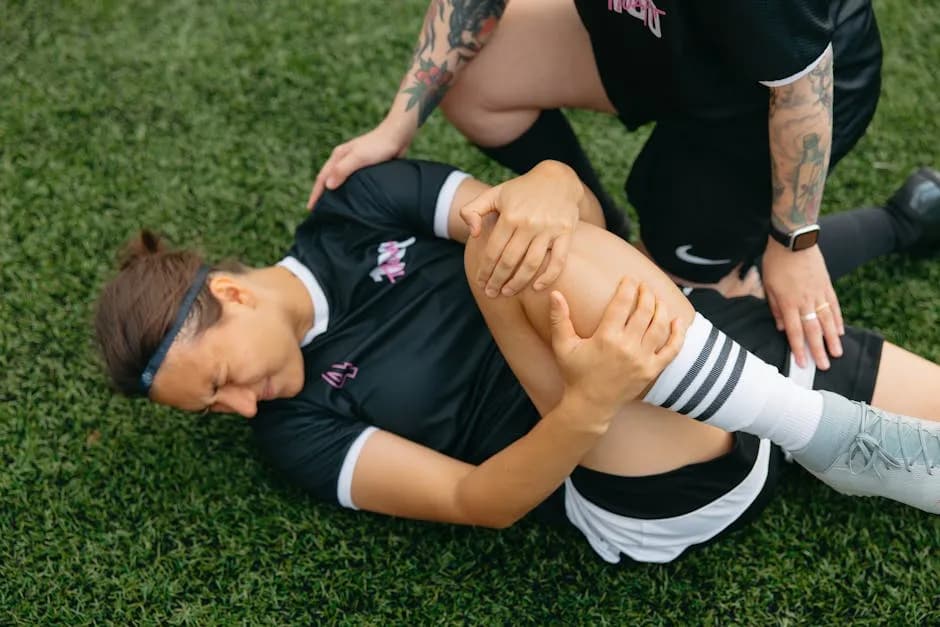
Chiropractic care goes beyond masking pain with drugs. Whether you're a weekend warrior or a competitive athlete, repetitive motion, high impact, and overtraining can lead to misalignment, soft tissue damage, and nerve compression. We focus on correcting the root cause of your injury, restoring proper alignment, and improving range of motion so you can return to peak performance and reduce the risk of re-injury.
Most of the athletes who come through our door aren't professionals. They're the guy in a rec league at the fields off Wells Branch Parkway, the runner training for the Austin half, the high schooler who plays one sport in the fall and a different one in the spring, the parent who joined a lifting class in January and has been chasing a sore shoulder ever since. What they usually have in common is that they've been training around the problem for a while. It hurts for the first ten minutes, warms up, feels fine during the game, and is worse that night. So they keep going, because it's never quite bad enough to stop.
That pattern is worth paying attention to, because warming up isn't the same as healing. Two very different things bring people in. One is the single moment: a rolled ankle, a hard landing, a twist you felt right away. The other builds quietly from doing the same motion thousands of times, which is why a runner's shin, a thrower's shoulder, and a lifter's low back each have their own well-known story. The overuse version is the one people wait longest on, and it's also the one where the sore spot often isn't the source. A knee that hurts can come from a hip that isn't doing its share of the work. An ankle that keeps rolling can come from strength and control that never fully came back after the first time.
So an exam here looks past the painful spot. We check how the joint in question moves, what's tender, how the joints above and below it are working, and where strength or control drops off. Then we tell you what we found in plain terms, including when the answer is that you'd be better served by a different kind of provider. Care typically combines adjustments where movement is restricted, hands-on soft tissue work and muscle stimulation around the area, and a specific set of exercises you do between visits, because the rebuilding part is what keeps you from ending up in the same spot next season. We'll also give you a straight answer about training. Sometimes that means resting the one movement that aggravates it and keeping everything else. Sometimes it means a real break. We'd rather say that out loud in week one than have you discover it in week six.
Bring the details of your training with you, including what you actually did in the week or two before it started, since a jump in mileage, load, or frequency is often the piece that explains the rest. We're at 3407 Wells Branch Pkwy, Suite 625, in Wells Branch, North Austin, with parking right at the door, and the Chicoine family has been caring for people here since 1989. Dr. Shelly Hogan, D.C. and Dr. Nicole Edwards, D.C. are sisters, and they see athletes of all ages from Wells Branch, Pflugerville, and the Tech Ridge area, including a lot of young athletes during the school seasons. Rosamaria on our team speaks fluent Spanish. Texas doesn't require a referral, so you can book online or call (512) 255-1777.
Common Injuries We Treat
- Back strains and sprains
- Shoulder injuries and rotator cuff strains
- Ankle and knee injuries
- Shin splints
- Tendonitis
- IT band syndrome
- Plantar fasciitis
- Hip flexor tightness and pain
- Golfer's and tennis elbow
- Muscle spasms and cramping
Pain Points Athletes Experience
- Lower back pain from repetitive impact or heavy lifting
- Neck stiffness from contact sports
- Radiating pain from pinched nerves
- Limited range of motion in joints
- Chronic tightness that doesn't resolve with stretching alone
- Recurring injuries in the same area
Our Approach
- Root cause correction, not just symptom relief
- Improved range of motion and flexibility
- Enhanced athletic performance
- Injury prevention strategies
- Sport-specific rehabilitation programs
Common Questions
My kid plays the same sport year-round. When is soreness worth getting checked?
General soreness a day after a hard practice that fades over the next day or two is ordinary. What's worth an appointment is soreness that lingers past a week, comes back every time they play, or changes how they run or throw. That last one is the tell parents notice first. A kid who has quietly changed their stride or their throwing motion is working around something.
Should I wait until the season is over to get it looked at?
Usually not. Waiting tends to mean training on a compensation pattern for another two months, and compensations spread to other joints. Being looked at doesn't automatically mean sitting out. It means knowing what you're dealing with so the decision about playing is an informed one. Often the plan is resting the one movement that reproduces the pain while keeping the rest of your training.
What happens at a first visit for a sports injury?
We go through how it happened, what your training actually looks like, and what makes it worse. Then we look at the injured area along with the joints above and below it, and check movement and strength. You get a plain explanation and a plan before anything is decided. Wear clothes you can move in, and give yourself extra time. Plan on about 45 minutes.
Do you treat injuries other than the back and neck?
Yes. Shoulders, hips, knees, ankles, elbows, and the tendon problems that come with them are a regular part of what we see, along with the spine. We also look at how those areas connect, since a knee or ankle problem often traces back to the hip or the low back. If something would be better handled by another kind of provider, we'll tell you.
Is this a chiropractor, a physical therapist, or a massage therapist problem?
They overlap more than the labels suggest, and plenty of people use more than one. Roughly speaking, we focus on how joints move and on the muscles around them, physical therapy leans heavily on graded rehab, and massage works the soft tissue. If your case would be better served by one of the others, we'll say so and explain why.
Can I keep training while I am being seen?
Often yes, with modifications, and we'd rather give you specifics than a blanket instruction to rest. That might mean dropping the one movement that reproduces the pain, cutting volume for two weeks, or changing surfaces. Sometimes an injury genuinely needs a break, and we'll say that plainly. Training through sharp pain or a joint that gives way is the version that costs a season.
Do you do UIL sports physicals?
Yes. We do UIL pre-participation physicals as a quick appointment, and you don't need to be an established patient or to be coming in for anything else. Bring the form with the history side already filled out. A sports physical is a focused screen for participation and doesn't replace your child's regular wellness visit. Call (512) 255-1777 for current pricing and availability.
How soon can I be seen?
Usually quickly, and in season we try hard to make that same week. We're open mornings and afternoons Monday through Thursday and mornings on Friday. Call (512) 255-1777, say what happened and when the next game is, and whoever answers will find you the earliest slot that fits around practice.
Do you see high school athletes from Wells Branch and Pflugerville?
Regularly. Our office is at 3407 Wells Branch Pkwy, Suite 625, in Wells Branch, North Austin, with parking right at the door, and we see athletes from Wells Branch, Pflugerville, and the Tech Ridge area. A parent is welcome in the room for a minor's visit, and we explain what we're doing to both of you. Rosamaria on our team speaks fluent Spanish.
Ready to get started?
Book Appointment (opens in new window)Related Services
Back Pain
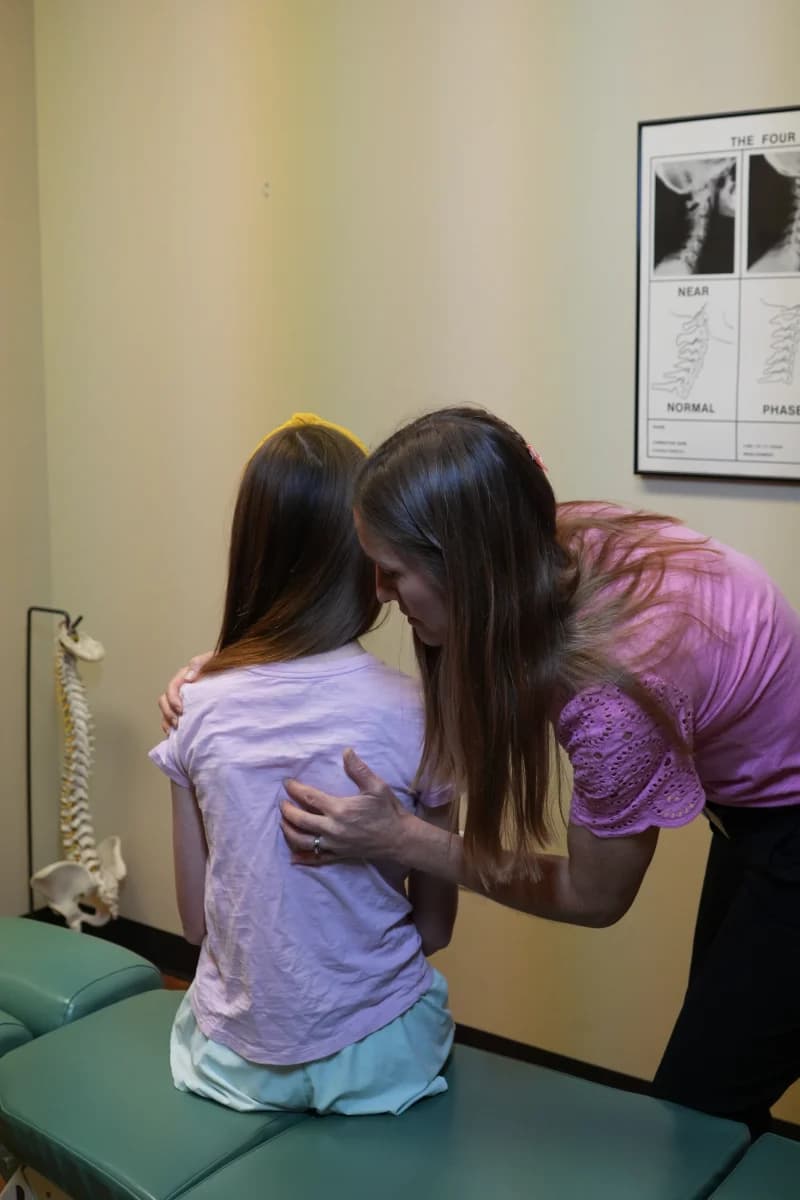
Spinal adjustments, electrical stimulation, and therapeutic exercise for lasting back pain relief.

Neck Pain
Adjustments and targeted therapy for posture-related, stress-induced, and whiplash neck pain.
Shoulder Pain
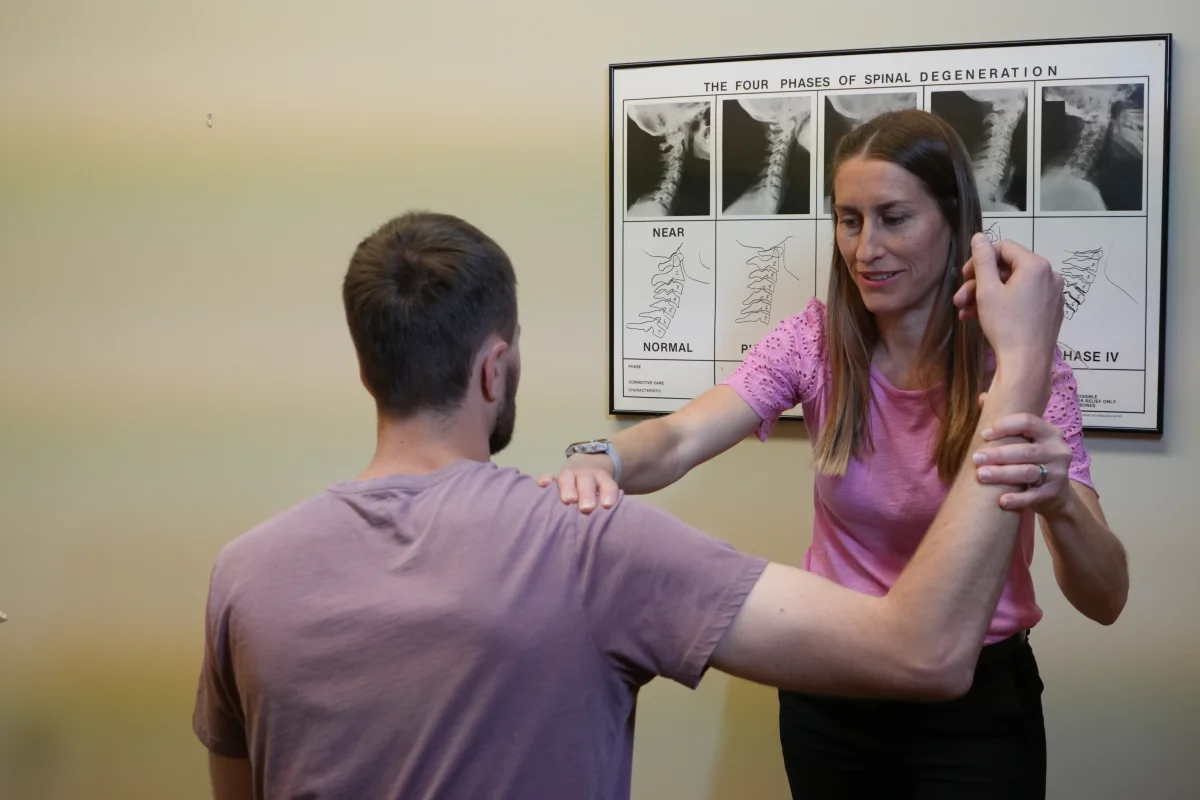
Care for stiff, aching, and hard-to-lift shoulders, including pain that starts in the neck or upper back.
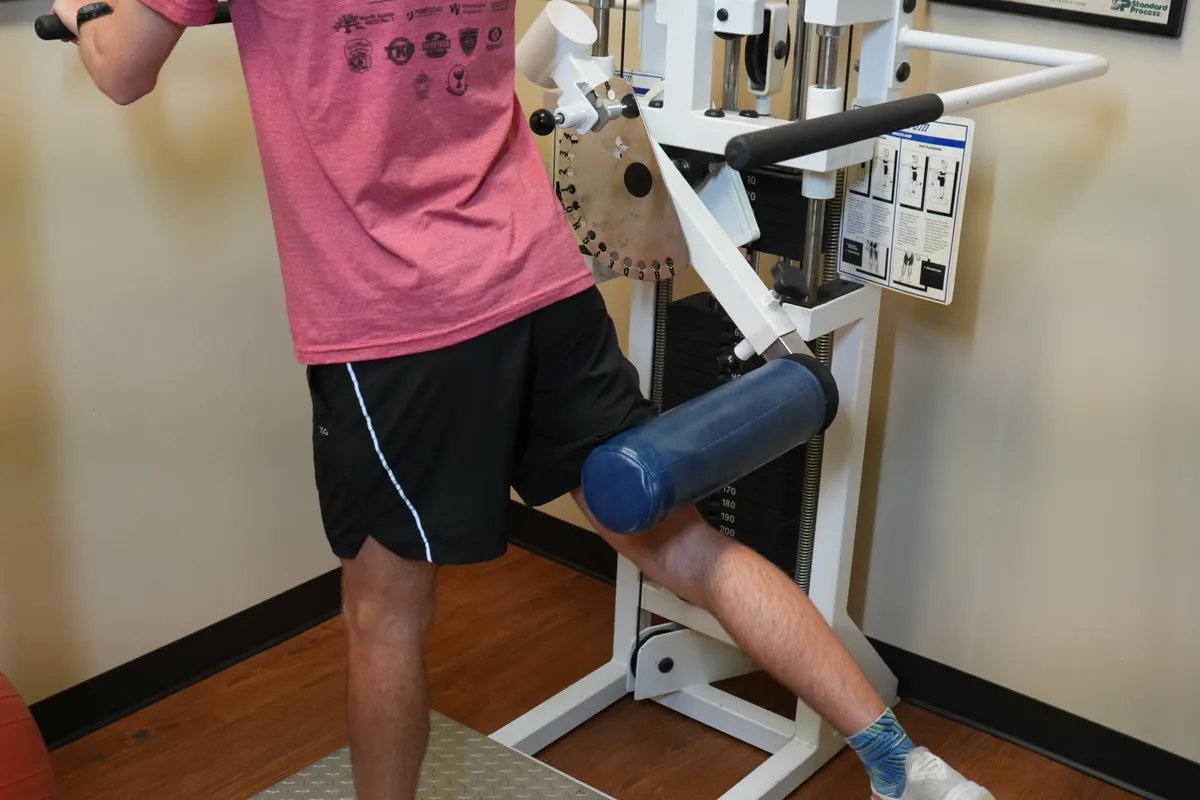
Hip Pain
Care for hip and pelvic pain, including the joints at the back of the pelvis.
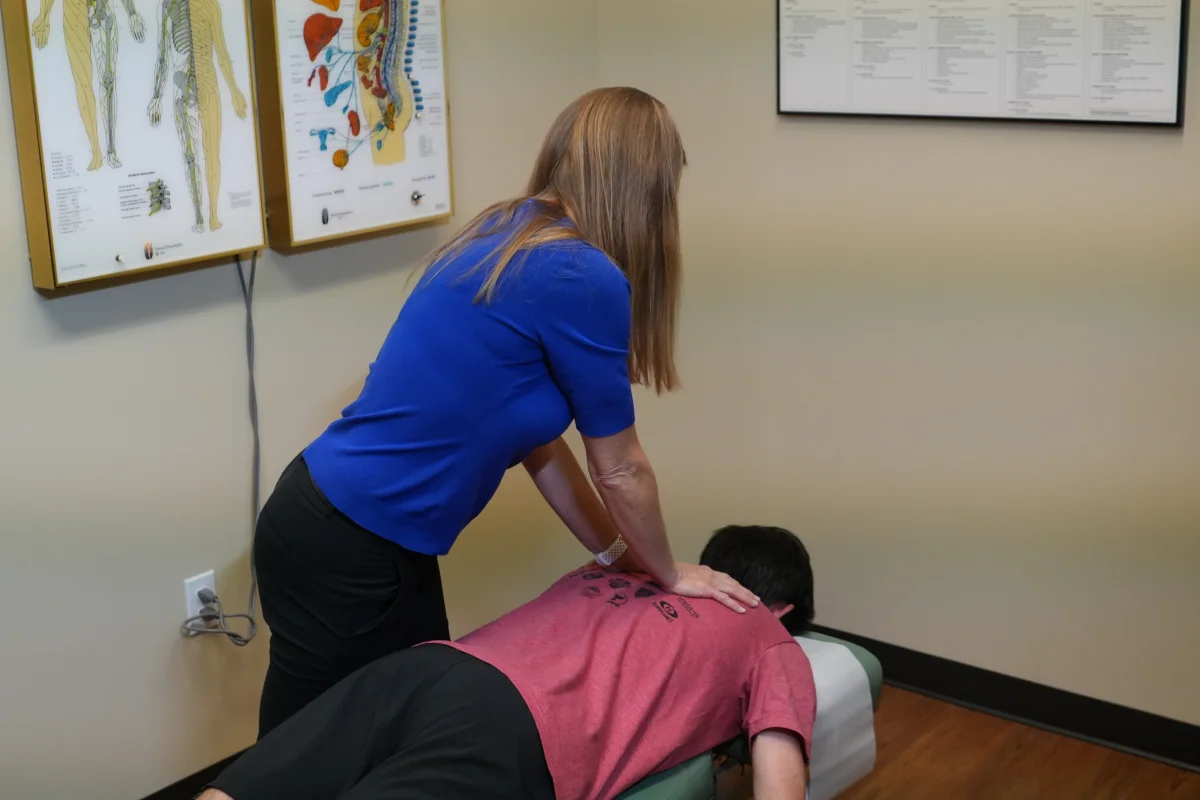
Sciatica
Spinal alignment, soft tissue therapy, and custom orthotics to relieve sciatic nerve pain.
Ready to Start Feeling Better?
Schedule a consultation online or call us and we'll create a treatment plan tailored to your needs.